Clearer handovers in a busy veterinary practice

An appointment runs over. Reception is waiting for an update. Someone needs to call a pet owner, but nobody is sure whether the call has already been made. Moments like these can make work feel like thin ice. Sometimes the missing piece is a clear handover: who needs the information, where it lives, and who acts next.
The reminder came from an unlikely place: a colleague’s cat. In our weekly team meetings, we start with something personal. One week, a colleague shared a picture of his young cat sitting in front of the television, watching curling.
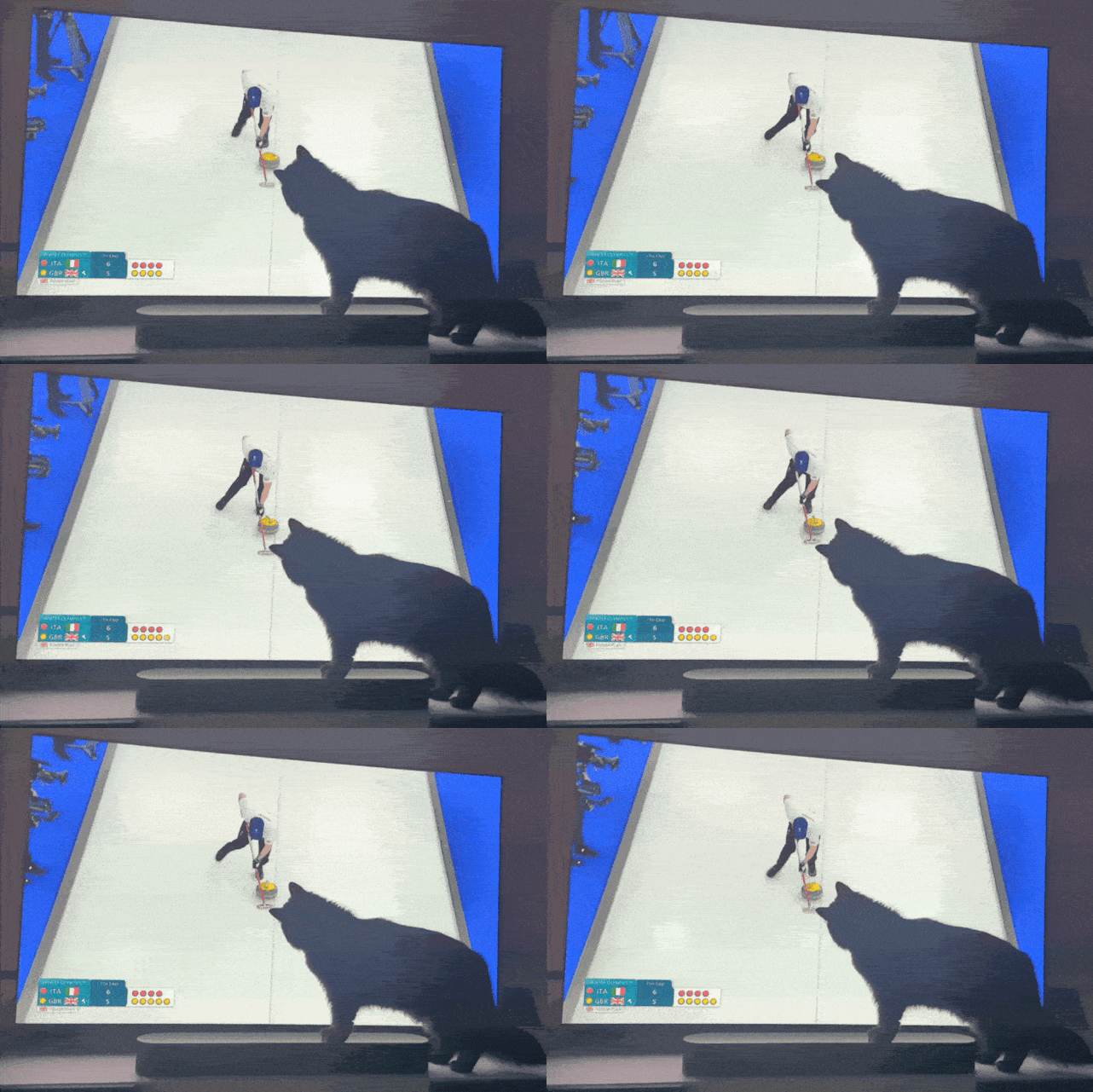
“Are you going to monetise my cat?” my colleague asked.
A fair question. But the curling stayed with me. Sweeping in front of the stone changes how far it travels, and a small adjustment at the right moment can change the result. Watching the players work around the moving stone, I found myself thinking about the less visible parts of teamwork: attention to what is happening now, communication about what needs to happen next, and the decision to intervene or leave things alone.
The parallel with veterinary practice only goes so far, since a busy practice has rather more competing demands than a curling match. But it points to a useful question: what would make the next step clearer?
Make the next step clear
Consider a pet owner waiting for a call after their pet’s procedure. The clinical team may know how things went, while reception knows the owner has phoned twice. The person due to make the call may be occupied elsewhere.
“Communicate more” is hard to act on, so look at the handover itself. Has someone been assigned the call? Is it clear when it is needed? Where will they record that it has happened?
Try applying those questions to one recurring task in your practice. It could be an owner update, a discharge appointment, or a request for records. Agree what the person taking over needs to know, and where that information belongs.
Keep it proportionate: make an existing task clearer without adding administration.
Look at what happens between tasks
When reviewing a busy day, it is tempting to focus on the diary. Were the appointments too short? Was too much booked in?
Those questions are worth asking. So are the questions about what happened between appointments.
For example, imagine a discharge is delayed because reception is waiting for confirmation that the paperwork is ready. Rather than treating it as a diary problem, trace the sequence: who prepares the information, who confirms it is ready, and how does reception know?
That gives you something specific to discuss. Perhaps the team needs an agreed status update. Perhaps responsibility changes at a point that has never been made explicit.
Start with one awkward handover rather than attempting to redesign the whole working day.
Give information an agreed home
For routine updates, decide where the team should look first. If a task is recorded in the practice management software, what needs updating when it is completed? If an urgent change is discussed verbally, what should also be documented for the next person?
Software is relevant here when it supports that agreed way of working. For example, IDEXX SmartFlow’s electronic whiteboard and digital treatment sheets, which work with both IDEXX Animana and ezyVet, display patient workflow, treatment status, and treatment information. These are practical examples of making information visible across a practice.
The questions to ask during a software demonstration are equally practical: where would our team see this update? How would they record completion? What would the next person need to check?
A feature list alone will not tell you whether the workflow fits.
Know the limits of a better handover
There is a limit to what a clearer handover or a well-timed intervention can address. If the workload is regularly beyond the team’s capacity, that deserves a separate conversation. It should not be reduced to a request for better communication.
Likewise, if the same task repeatedly needs rescuing, look at the process around it. What made the intervention necessary? Was information missing, responsibility unclear, or time unavailable?
For your next team discussion, choose one moment when work stalled and ask: what would have made the next step easier?
You may identify a small change worth trying. You may uncover a larger issue that needs attention. Either is more useful than asking everyone to sweep a little harder.
See how IDEXX Veterinary Software fits your practice.
Quick answers
How do I find out why a task keeps stalling?
Choose one moment when work stalled and ask what would have made the next step easier. Then trace who prepares the information, who confirms it is ready, and how the next person knows.
What should I ask in a software demonstration about workflow?
Where would our team see this update, how would they record completion, and what would the next person need to check?
What does IDEXX SmartFlow show?
IDEXX SmartFlow’s electronic whiteboard and digital treatment sheets display patient workflow, treatment status, and treatment information. SmartFlow works with both Animana and ezyVet.
Let’s talk about what IDEXX software can do for your practice
Complete the form below and we’ll get back to you.



